How Much is a House in Harrow
Wondering how much a house in Harrow costs? City Realtor explores average property prices across Harrow, from budget-friendly boroughs to luxury postcodes.
Property Prices in Harrow
- Average: £430,000
- Flats from: £285,000
- Houses from: £525,000
- Typical rent: £1,700/mo
Location
- Borough of Harrow
- Postcodes: HA1, HA2, HA3, HA5
- 4, 5, 6
Nearest Stations
- Harrow-on-the-Hill (Metropolitan, Chiltern Railways)
- North Harrow
- Harrow & Wealdstone
- West Harrow
Harrow is a large outer London borough in north-west London, best known internationally for Harrow School — one of England's most famous independent schools. The borough has a large and well-established South Asian community, particularly around Harrow town centre, which gives it a vibrant multicultural character with excellent food and retail. The Metropolitan line provides a direct route into the City and the West End. Pinner to the north is a picture-perfect village with excellent schools and a conservation area high street.
Understanding the Harrow Housing Market
When people ask how much is a house in Harrow, the answer depends heavily on the area, the property type, and market trends at the time. Harrow is one of the most diverse property markets in the world, with everything from compact terraced homes to grand Victorian houses. Prices also shift according to demand, mortgage rates, and the wider economy, meaning buyers and investors need to stay informed before making decisions.
Harrow's property market has historically been resilient, with long-term value growth outpacing many other UK regions. Within the borough of Harrow, affordability varies widely, and first-time buyers may find pricing different depending on the postcode, such as HA1, HA2, HA3, HA5.
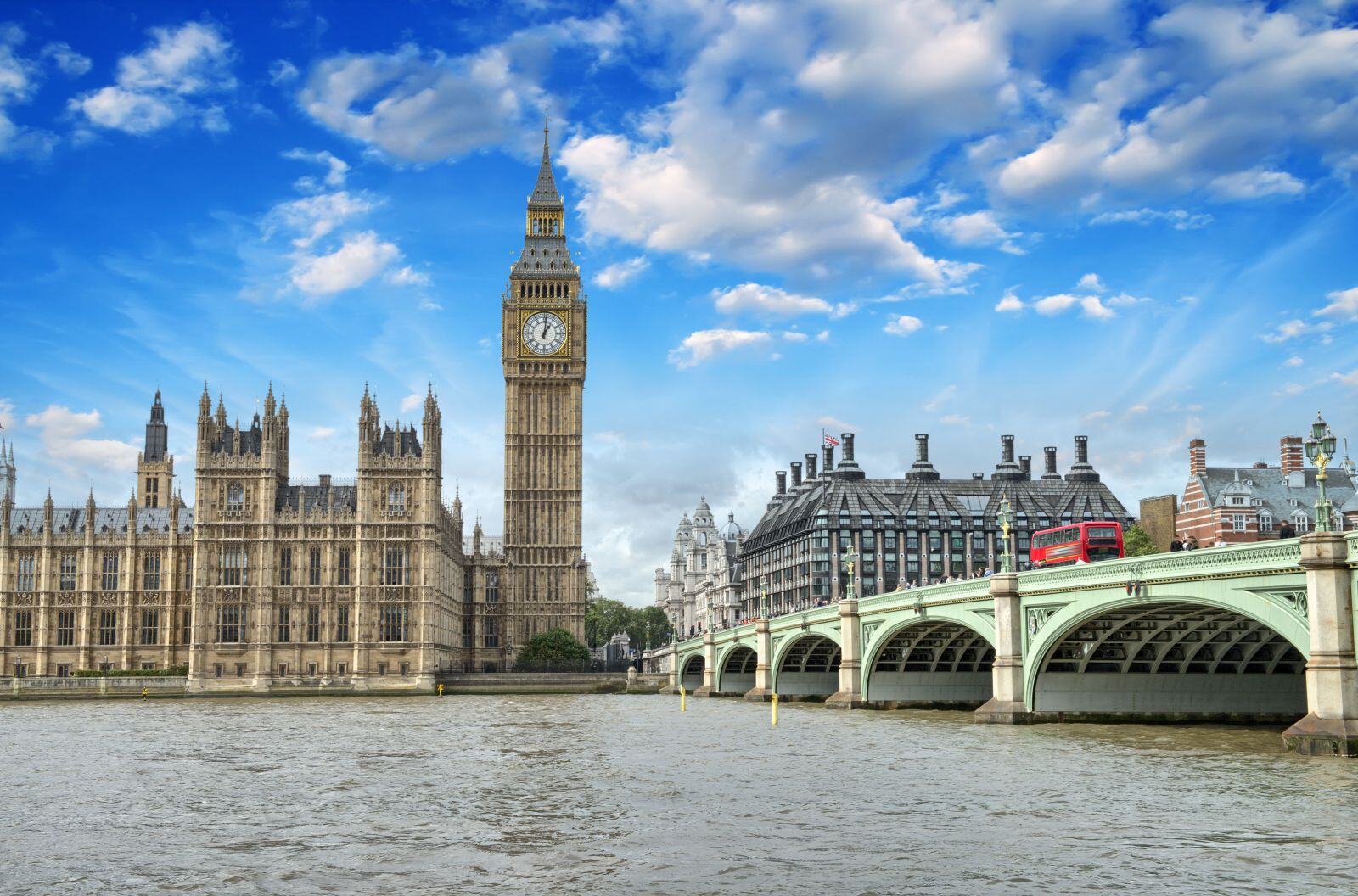
Average Cost of Buying a House in Harrow
The average house price in Harrow is £525,000, higher than the national UK average, reflecting the area's appeal. Detached houses, semi-detached properties, terraced homes, and flats all have distinct pricing patterns.
Buyers should also account for additional expenses such as Stamp Duty, legal fees, and survey costs, which can significantly increase the overall budget. Mortgage rates and lending criteria also play a role in determining affordability in today's market.
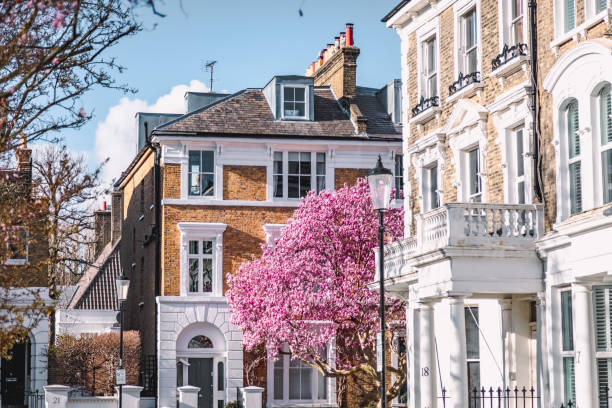
Differences Between Harrow Boroughs
One of the most striking features of Harrow's property market is the contrast between boroughs. Prime areas command significantly higher prices than outer districts, while the borough of Harrow offers more accessible entry points onto the housing ladder.
Proximity to transport, local schools, green space, and regeneration projects all influence values. Houses near transport links such as Harrow-on-the-Hill (Metropolitan, Chiltern Railways), North Harrow, Harrow & Wealdstone, West Harrow, Pinner, Hatch End have seen price growth in recent years.
What Influences House Prices in Harrow?
- Location and proximity to transport hubs, business districts, and amenities;
- The property's size, style, and condition, including whether it has been modernised;
- Demand from overseas buyers, investors, and professionals relocating to the city;
- Broader economic factors such as interest rates, inflation, and investment levels;
- Regeneration and development projects that increase the desirability of an area;
Trends for Buyers and Investors
Harrow remains a property hotspot, though market conditions can shift. Affordability remains a key challenge, particularly for larger family homes. Investors continue to view Harrow as a secure, long-term option due to its international reputation and steady rental demand of £1,700.
Some buyers are increasingly looking further out from central Harrow, seeking better value in suburban areas while maintaining good transport links. Outer boroughs provide more space and larger homes at a relatively lower cost, appealing to families and professionals.
Tips for Navigating the Harrow Property Market
- Establish a clear budget that includes extra fees and taxes;
- Research boroughs that fit lifestyle needs and financial goals;
- Monitor mortgage deals and speak with advisers about borrowing potential;
- Visit properties in person to understand neighbourhood character;
- Keep an eye on market updates and future development plans;

Long-Term Value of Harrow Property
Despite high entry prices — averaging £525,000 for houses — Harrow has consistently demonstrated long-term growth. Values in Harrow have remained resilient, supported by persistent demand from south asian families and professionals commuting to the city.
The area's harrow school — one of england's most prestigious independent schools and metropolitan and jubilee line access underpin its enduring appeal. Rental demand of £1,700 per month ensures investors benefit from both yield and capital appreciation over the long term.
Conclusion: How Much Is a House in Harrow Today?
Answering the question of house prices in Harrow is not straightforward. Prices vary dramatically between boroughs, property types, and economic conditions. While averages like £525,000 give a snapshot, buyers need to explore specific locations, stay aware of market influences, and plan for both short-term affordability and long-term value.
At City Realtor, we believe knowledge is key to confident property decisions. Understanding what drives Harrow's housing market empowers buyers and investors to choose wisely, whether stepping onto the ladder for the first time or adding to a portfolio.
About Harrow
Harrow is a large outer London borough in north-west London, best known internationally for Harrow School — one of England's most famous independent schools. The borough has a large and well-established South Asian community, particularly around Harrow town centre, which gives it a vibrant multicultural character with excellent food and retail. The Metropolitan line provides a direct route into the City and the West End. Pinner to the north is a picture-perfect village with excellent schools and a conservation area high street.
Typically popular with: South Asian families, professionals commuting to the City, families prioritising schools, faith communities
What Makes Harrow Unique
- Harrow School — one of England's most prestigious independent schools
- Metropolitan and Jubilee line access
- Large and established South Asian community
- Pinner village — one of London's prettiest
- Good value semi-detached and detached family homes
Harrow: A Place to Put Down Roots
Harrow is one of East London's most established destinations for families, anchored by school catchment areas, green space, and residential streets that combine community with convenience. Harrow is a large outer London borough in north-west London, best known internationally for Harrow School — one of England's most famous independent schools. The borough has a large and well-established South Asian community, particularly around Harrow town centre, which gives it a vibrant multicultural character with excellent food and retail. The Metropolitan line provides a direct route into the City and the West End. Pinner to the north is a picture-perfect village with excellent schools and a conservation area high street. Key characteristics of the area include Harrow School — one of England's most prestigious independent schools, Metropolitan and Jubilee line access, Large and established South Asian community. Demand is consistently driven by South Asian families and professionals commuting to the City, a demographic profile that keeps void periods low and supports both sales and lettings. Average property prices of £430,000 and typical monthly rents of £1,700 reflect the strength of that demand — and the long-term confidence buyers and investors place in Harrow as an address. Harrow-on-the-Hill station is served by London Overground and Chiltern Railways in addition to the Metropolitan line, giving good route variety into central London.
More Property Guides for Harrow
Explore all our property pages covering Harrow
Nearby areas:
